Beat Load Shedding: How Rusty Estate Keeps Your Stay Uninterrupted
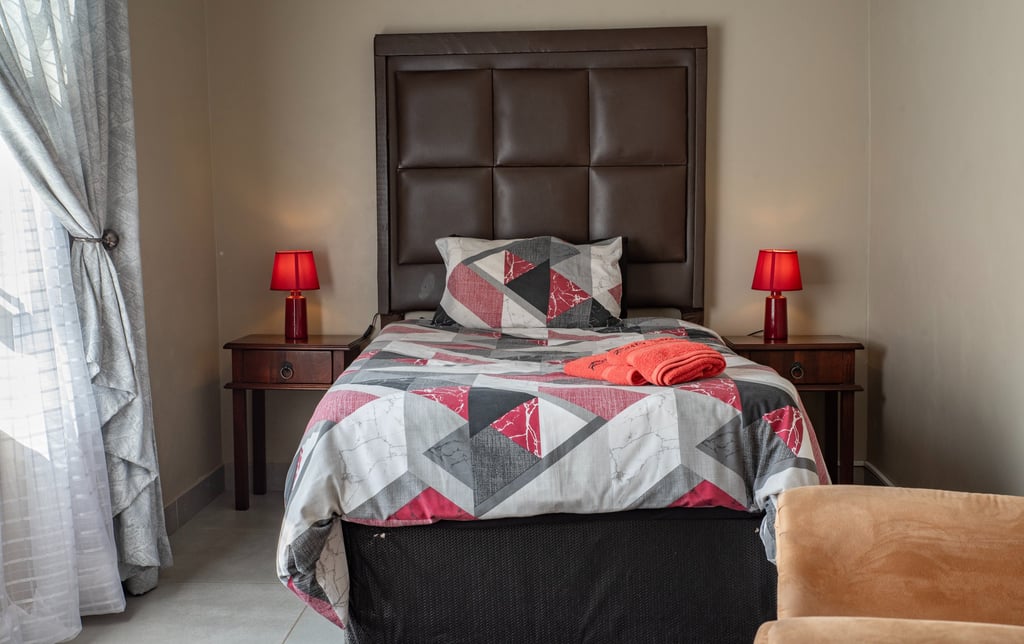
For travelers visiting South Africa, the reality of load shedding is often a topic of conversation before arrival. In recent years, power instability has become a defining characteristic of daily life in many regions, including Mpumalanga. For a guest staying in accommodation in Witbank, the ability to maintain a routine without interruption is not just a luxury; it is a necessity. Whether the purpose of the visit is business-related or leisure, the reliability of infrastructure directly impacts the quality of the experience.
This guide explores the importance of backup power systems in modern hospitality and why choosing a property with resilience in mind is crucial for a stress-free stay.
Understanding the Power Landscape in South Africa
Load shedding is a scheduled power outage implemented by the national grid to prevent total collapse. While the schedule is often published, the impact on daily life remains unpredictable. For residents and visitors alike, this means that lights, Wi-Fi routers, and security systems can go offline without warning.
In a business context, a power cut can mean missed deadlines or lost connectivity. For leisure travelers, it can disrupt entertainment or cooking plans. According to reports from energy authorities, the frequency of outages has necessitated a shift in how accommodation providers equip their facilities. Properties that do not invest in backup solutions risk leaving guests in the dark, quite literally.
The Impact on Daily Life and Travel
The ripple effects of a power outage extend beyond just lighting. Modern travel relies heavily on digital connectivity. Wi-Fi routers require power to function, and without them, remote work becomes impossible. Furthermore, security systems, which are vital for peace of mind in any location, often rely on electricity to operate cameras and alarms.
In self-catering accommodation in Witbank, the ability to cook is also compromised if the stove or refrigerator loses power. This is where the distinction between standard lodging and resilient accommodation becomes clear. Guests need to know that their environment will support their needs, regardless of the status of the national grid.
What Reliable Backup Power Looks Like
A property that prioritizes guest comfort invests in multiple layers of backup power. This typically includes a combination of diesel generators, solar inverters, and battery storage systems. These systems are designed to switch on automatically when the main grid fails, ensuring that essential services remain active.
It is not just about lights, however. Water pumps are often electric, meaning that a power cut can also result in a lack of running water. Reliable accommodation ensures that the water supply is maintained through backup pumps or storage tanks. This level of infrastructure is becoming a standard expectation for those seeking quality accommodation in Witbank.
Why This Matters for Your Stay in Witbank
Witbank, now known as eMalahleni, is a hub for industry and commerce. Many visitors come to this region for projects that require consistent connectivity and operational hours. A power outage in a hotel room might be an inconvenience, but in a self-catering unit, it can halt an entire workflow.
For long-term stays, the cumulative effect of frequent outages can be draining. A property that guarantees power and water supply allows guests to focus on their objectives rather than managing the logistics of survival. This reliability is a key factor in choosing where to stay in Mpumalanga.
Business Continuity and Comfort
For business travelers, continuity is paramount. Meetings, video calls, and document reviews cannot be paused indefinitely. A facility with robust backup power ensures that the guest's workspace remains functional. This includes not only the room itself but also common areas like lounges and kitchens.
Comfort is also tied to temperature control. In the summer heat of Mpumalanga, air conditioning or fans are essential. Without power, these systems stop working, leading to discomfort. A property that maintains climate control during outages significantly enhances the guest experience.
Choosing Accommodation with Resilience in Mind
When booking a stay, it is advisable to ask about the property's power backup capabilities. Questions regarding the type of generator, the duration of battery backup, and water supply solutions can provide insight into the reliability of the facility.
Properties like Rusty Estate have been designed with these challenges in mind. By integrating 24-hour backup power and water systems, they ensure that guests can settle in without worrying about external factors. This focus on resilience is what separates a standard rental from a premium experience.
For more information on the facilities and security features available, guests can explore the gallery on the Rusty Estate website to see the environment firsthand. Additionally, understanding the local context of eMalahleni can be helpful for planning; resources such as the eMalahleni Municipality website provide updates on local infrastructure and services.
Conclusion
Navigating power outages is a reality of traveling in South Africa, but it does not have to define the experience. By choosing accommodation that prioritizes backup power and water reliability, guests can ensure a seamless stay. Whether for a short business trip or an extended project, the peace of mind that comes with uninterrupted utilities is invaluable.
In a region like Mpumalanga, where infrastructure resilience is key, selecting a property that understands these needs is the smartest choice for any traveler.
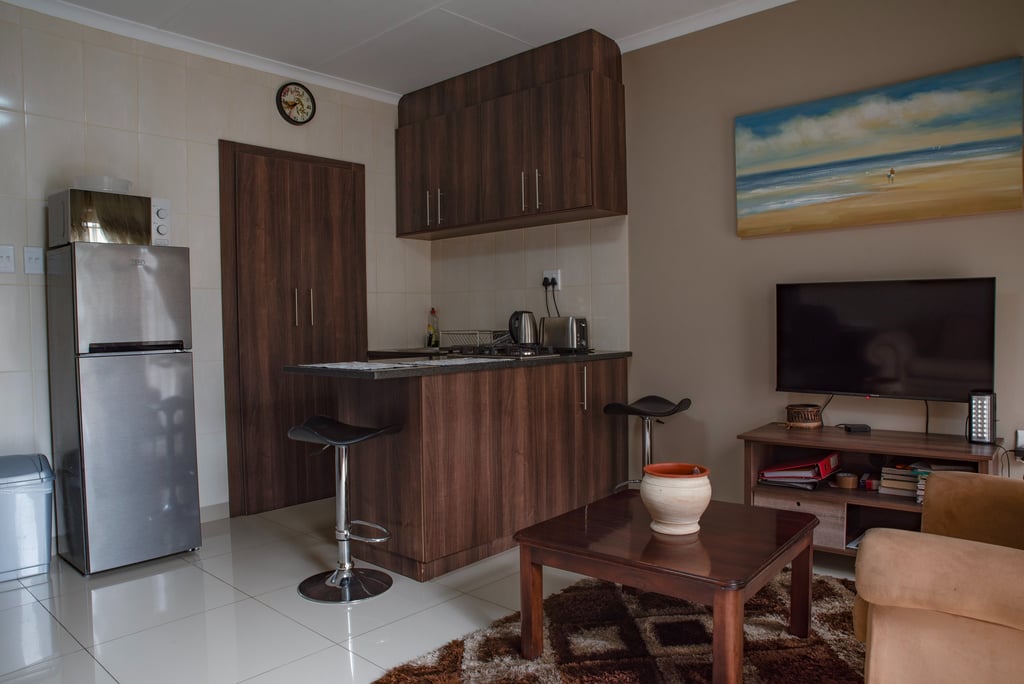
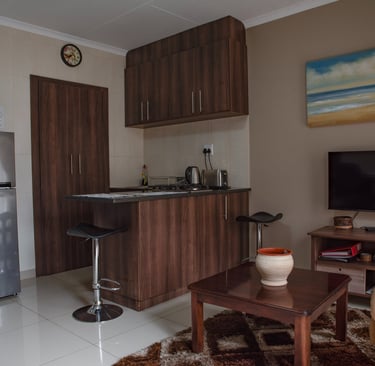
Experience uninterrupted comfort in Witbank. Book your stay at Rusty Estate and enjoy reliable backup power, water supply, and secure self-catering accommodation.
Quick Links
© 2026. All rights reserved.


WhatsApp +27 82 751 8449
rustyestate1@gmail.com
Ext 8, 31 Kipling St, eMalahleni, 1035, South Africa
Make A Booking
Share this Page


